How to Stay Motivated When the “Hustle” Fails
We’ve all had that moment. You sit down with a perfectly reasonable to-do list—ten solid, business-building tasks—and your brain takes one look at it and says, “No. I don’t think I will.” Nothing on the list is optional; none of it is confusing. Yet somehow, starting feels impossible, and you find yourself doing anything but the thing you planned.
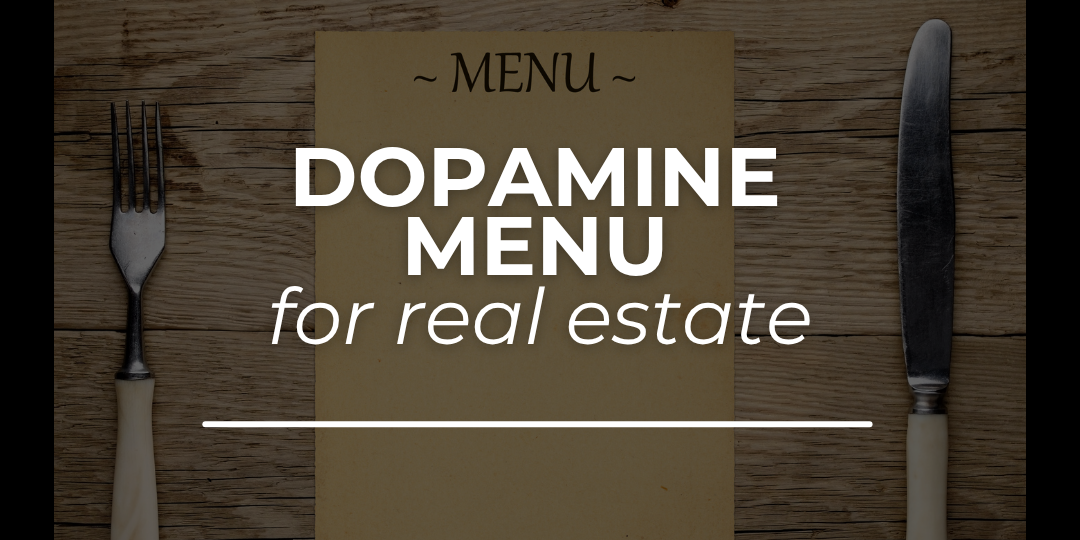
For a lot of us, this isn’t about laziness or lack of discipline. Motivation doesn’t operate like a faucet you can just turn on because something is important. Your brain is interest-based, not importance-based. If a task doesn’t offer some kind of dopamine return—novelty, urgency, or genuine interest—it’s going to be a much harder sell. This is where most “just push through it” advice falls apart. Instead of trying to overpower your brain, it’s far more effective to work with it. That’s where the Dopamine Menu comes in.
What is a Dopamine Menu?
Think of your workday like a restaurant instead of a checklist. You wouldn’t sit down and order a five-course steak dinner every single hour and expect to feel great. Some tasks are heavy, require focus, and take time. Others are quick, satisfying, and give you just enough energy to keep going. A Dopamine Menu organizes your work into categories based on how much mental energy each task requires, which makes it easier to choose something that actually matches your capacity in the moment. Instead of staring at one overwhelming list, you have options.
Your Business Menu Categories
Appetizers (Quick Wins)
These are your low-lift, high-satisfaction tasks. They take five minutes or less and give you that immediate “I did something” feeling. Sending a quick thank-you note, clearing off your physical desk, or filing a single invoice might not seem groundbreaking, but they create momentum. Momentum, as it turns out, is incredibly persuasive.
Entrées (The Big Work)
This is the work that actually moves your business forward. Drafting contracts, recording coaching content, running a focused lead generation session—these require your full attention and your best thinking. This is your “CEO Brain” work, which means it needs to be done when your energy is highest, not when you’re already running on fumes.
Sides (The “Passive” Work)
These tasks still matter, but they don’t demand your full cognitive load. Organizing digital files, light CRM cleanup, or routine follow-ups can often be done while listening to music or a podcast. They’re perfect for those in-between energy pockets when you’re not quite ready for deep work but still want to be productive.
Desserts (The Rewards)
These are the breaks that actually recharge you, not the ones that leave you feeling more scattered. A short walk, a sensory reset in a quiet or low-light space, or even a few minutes scrolling something that genuinely brings you joy (hello, beautifully staged kitchens) can help reset your system so you can come back with a little more capacity.
How to Use the Menu
When you feel stuck, the instinct is often to stare harder at the biggest, most important task and hope motivation magically appears. It rarely does. A more effective move is to shift categories.
Start with an appetizer. Give your brain a quick win and let that small hit of completion build just enough momentum to move you forward. Once you’re in motion, it becomes much easier to transition into something more substantial. There’s also a level of self-trust that develops here. Instead of forcing yourself through tasks that feel impossible in the moment, you’re learning how to meet your brain where it is and guide it forward without a fight.
The hustle model assumes you should feel motivated all the time. Real life—and real brains—don’t work that way.
A Dopamine Menu doesn’t lower your standards, it gives you a sustainable way to meet them.