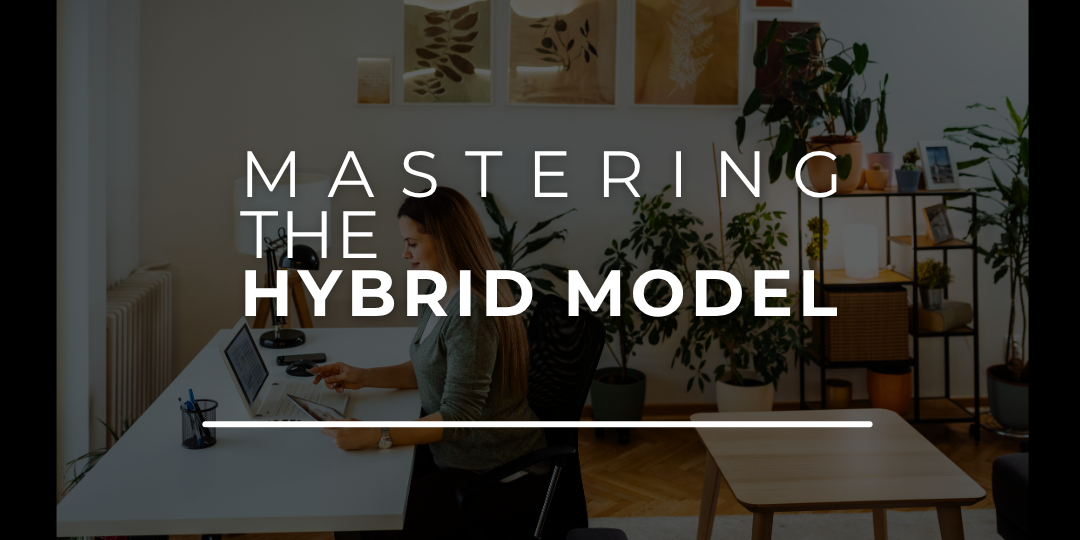
Mastering the Hybrid Work Model: Productivity Secrets
The debate over “Remote vs. Office” is officially a thing of the past. In 2026, the winner is neither; it’s both. The modern entrepreneur and their team have embraced the hybrid model, but many are still struggling with the friction it creates. We’ve all felt it: that disjointed feeling of starting a project at home, trying to finish it in a noisy cafe, and then realizing the file you need is on a different device.
True productivity in a hybrid world isn’t about working harder; it’s about contextualizing your work. It’s about matching your task to your environment and ensuring your digital systems are as mobile as you are.
The Context-Switching Tax
The biggest productivity killer in a hybrid model is “context-switching.” When you try to do deep, focused work (like strategy or writing) in a high-traffic office environment, you’re fighting a losing battle. Conversely, when you try to stay “connected” to your team while working from home, you often end up in a cycle of endless Slack notifications that prevent any real progress.
The secret to mastering hybrid work is Syncing vs. Sinking.
- Syncing: Designing your “Office Days” for collaboration, meetings, and high-energy networking.
- Sinking: Protecting your “Home Days” for deep work, complex problem-solving, and the “heads down” tasks that require zero interruptions.
The Hybrid Tech Stack
To be truly productive anywhere, your tech stack must be “location agnostic.” If a team member has to ask, “Where is that file saved?” your system is broken.
- Single Source of Truth: Whether it’s Notion, Asana, or a cloud-based CRM, every project must live in a central digital hub that is accessible from any device.
- Asynchronous Communication: Stop the “quick call” culture. Lean into recorded video updates (like Loom) or detailed project threads so team members can contribute on their own schedule, regardless of where they are working that day.
The “Third Space” Strategy
Productivity also thrives in the “Third Space”—those hours between locations. Use your commute or your transition time for “low-brain-power” tasks like listening to industry podcasts or clearing out non-essential emails.
The goal of the hybrid model isn’t just to give you flexibility; it’s to give you autonomy. When you master the art of working where you are most effective for the task at hand, you stop being a slave to the desk and start being a master of your time.