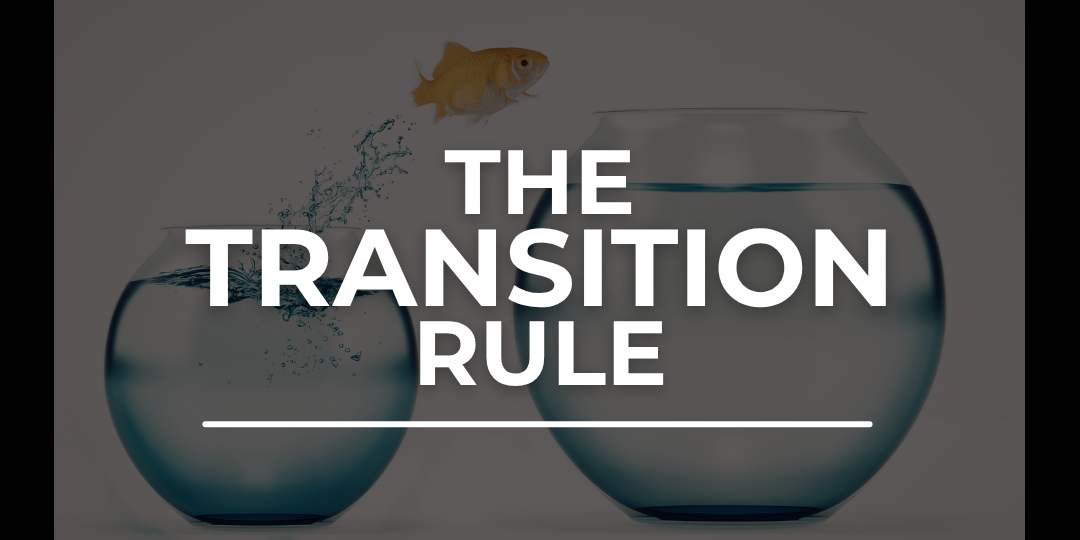
The Transition Ritual: How to Stop “Realtor Brain” from Ruining Your Dinner
Have you ever wrapped up a high-stakes negotiation at 5:00 PM, walked into your kitchen five minutes later, and felt an almost irrational level of irritation at something completely normal—like a few dishes in the sink or someone asking you a simple question? It’s a jarring shift, especially when part of you knows the reaction doesn’t quite match the moment. This isn’t because you’re a cranky person. It’s because your brain hasn’t caught up with your environment yet.
For some professionals, moving from “Realtor Mode” into “Home/Human Mode” isn’t as simple as closing a laptop or ending a call. Your brain operates more like an ocean liner than a speedboat—it doesn’t turn on a dime. Without a deliberate transition, you end up carrying the urgency, pressure, and cortisol of your workday straight into your personal space. Suddenly, your home doesn’t feel like a place to land; it feels like just another place where demands are waiting.
The Cost of Task-Switching
Task-switching is often underestimated, especially in fast-paced industries like real estate where context changes constantly. For the neurodivergent brain, shifting from one role to another requires a significant amount of executive function. It’s not just about stopping one task and starting another; it’s about recalibrating your entire internal state.
When there’s no buffer between environments, everything overlaps. You’re still mentally composing that last email while trying to process conversation, noise, or movement around you at home. Your nervous system doesn’t get the signal that it’s safe to power down, so it stays on high alert. That’s where the sensory overload creeps in, followed closely by irritability, exhaustion, and the kind of burnout that hits before the evening has even really started.
3 “Sensory Bridges” to Close the Day
What your brain needs is a clear, physical signal that the workday is over. Not a vague intention, but something tangible that helps it shift gears.
The Sensory Reset (The 5-Minute Car Sit)
Before walking into your house, sit in your car for five minutes in complete silence. No scrolling, no podcast, no “just checking one thing.” This is a pause, not a pit stop. It gives your nervous system a moment to settle and allows the mental noise of the day to quiet down before you step into a new environment.
The Wardrobe Shift
Clothing carries more sensory weight than most people realize. The moment you get home, change out of your “work” clothes and into something softer and more comfortable. This isn’t about appearance—it’s about signaling. When the blazer, jeans, or structured pieces come off, your brain registers that the role attached to them can come off too.
The Digital Sunset
Create a firm boundary with your phone by setting a cutoff time for work-related apps and notifications. Use Focus Mode or app limits to make this automatic rather than relying on willpower at the end of a long day . Very few things in real estate are true emergencies, despite how they may feel in the moment. What can be handled tomorrow should be handled tomorrow.
Protecting the Asset
Downtime isn’t a reward you earn after being productive enough. It’s the fuel that makes your productivity possible in the first place. Without it, you’re asking your brain to keep performing without ever resetting, which is a fast track to burnout.
Building a transition ritual isn’t about achieving perfect balance or creating an elaborate routine you’ll abandon in a week. It’s about giving your brain a consistent signal that it can stand down. When you protect that shift from work to rest, you’re not just improving your evenings; you’re preserving your ability to show up focused, present, and effective the next day.
Your business benefits when your brain gets to clock out, too.