I had a repeat client that had always felt a little ‘off’ to me, and after spending quite a bit of time with him helping him buy a home in the early 2000’s and then subsequently sell that same property years later, I chalked it up to social awkwardness. After the sale of his home, he and I were on a showing at a rural property north of Minneapolis. My guard was down and it shouldn’t have been. This was our fourth or fifth showing tour, nothing had happened before that, and I didn’t expect him to corner me in the basement.
I made several mistakes that day that I will never repeat, and if you’re hearing this story, I hope you learn from this as well.
I was touring the home with someone like he was my friend instead of a client who could be a potential threat. I entered the lower level of the home ahead of him. I allowed him to position himself between me and the exit so I couldn’t leave. I never, ever should have been in that space.
I fired that client and I learned a valuable lesson that day.
In 2006, Sarah Walker was beaten and stabbed to death inside a model home she was showing in Texas. One of the most cited agent-safety cases, her murder prompted sweeping safety reforms in real estate circles and it illustrates how tragic events can catalyze industry-wide change.
WHY SAFETY IS IMPORTANT
Real estate professionals face unique risks that most people don’t consider. Agents regularly meet strangers in empty homes, host public events in unfamiliar spaces, and handle sensitive client information. These situations can make them vulnerable to physical harm, theft, or cybercrime. Safety isn’t just about protecting yourself—it’s about protecting your clients, your reputation, and your business. By making safety a top priority, agents not only reduce personal risk but also demonstrate professionalism, build client trust, and ensure they can continue doing the work they love with confidence and peace of mind.
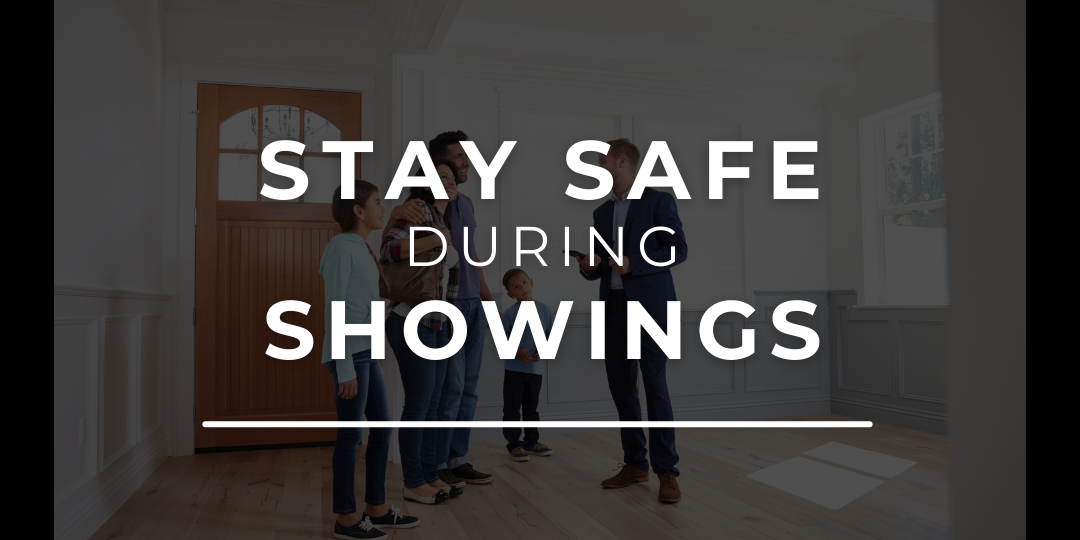
Today we’re going to talk about staying safe while showing homes. Please take notes and take care.
FIELD SAFETY: SHOWINGS
In 2011, Ashley Oakland was fatally shot while showing a townhouse in West Des Moines, Iowa. Her case is still unsolved. This is a sobering example of fatal risks agents sometimes take when conducting what they might often consider mundane business.
BEFORE THE SHOWING
Taking care of yourself and ensuring that you stay safe doesn’t start when you’re showing a home, it starts before you even open the door.
Never, ever meet a new lead or client at a home without an introduction at a public place first like your office or a coffee shop. If this is unavoidable, bring a colleague along or in a pinch, bring a friend or partner along to stay in the car while you conduct your showing.
Even if you think you know the person you’re showing homes to, always let a colleague, friend, or family member know where you’re going to be, who you’re going to be meeting, and what time you’ll be beginning and ending the appointment. There’s technology available to us with our smartphones that’ll enable our location sharing, so use it. Establish a code word or phrase with your trusted person so that if you’re ever in any danger and you need to alert them, they can spring into action.
GET TO THE HOUSE
Drive separately; ask your client to follow you in their own car. This is easy to do for several reasons. It could be for insurance purposes, it could be because your car is a hot mess, or it could just be so your clients can talk freely about the homes without your interference between showings. Don’t get in their car and don’t let them into yours.
Get there early to give yourself a chance to check out the property. Park in the street and not in the driveway where someone could block your car in. Walk the perimeter of the house and or garage and look for any areas someone may have gotten into the home; if you see a disturbance do not go into the house, call the listing agent and/or the local police right away.
When you enter the home, lock the door behind you. Turn on the lights, open window treatments, and determine where all of the exits are before your clients arrive. You always need to know a couple of ways to quickly get out of the home should the need arise. Ensure there is nobody else in the home and make sure there are no safety issues that might endanger you or your clients such as trip hazards, firearms, or gas leaks that you can smell.
SHOWING THE HOME
Once you’ve completed your own evaluation of the safety of the home, you can begin your showing.
Consider using an app on your phone that is designed to help keep you safe in situations like these. Later in this class we’ll talk about apps and devices you can use to help you stay safe.
Always walk behind your clients and make sure your body is positioned between them and an exit. Avoid confined spaces and if your clients want to tour the basement or upper levels of the home, let them go first and stay closest to the exits.
Have an excuse ready if you ever feel uncomfortable. If something doesn’t feel right, get out immediately.
Try saying this: I’m sorry, I just got an emergency text and I need to leave now.
Remember, safety for ourselves is a priority, but safety for our clients and the home is also paramount in our jobs. Make sure you secure the home properly before leaving and if there are any security or safety issues you noticed about the home, alert the listing agent or if necessary, the authorities right away.
LEAVING THE SHOWING
Be aware of your surroundings and evaluate the perimeter of your car before getting in and driving away. We have a tendency to stick our noses in our phones at this point because we are looking up the next home on the tour, maybe we’re reporting feedback, or sometimes we’re just responding to messages. DON’T DO THIS. You need to remain alert and aware of your surroundings until you are in a safe and familiar environment. (This goes for any time you get in your car when leaving a store, a restaurant, the office, really anywhere). When driving away, observe any vehicles you don’t recognize and take note if it appears someone is following you.
BEING FOLLOWED
If you suspect someone is actually trying to follow you, do not go home, don’t go to a friend’s house, and don’t go to the office. First, make several left turns or several right turns, as this’ll either validate or invalidate your hunch. If they continue to follow you, call 911 and drive directly to the nearest police station if you can. If that isn’t an option, get to a convenience store with lots of people around, a restaurant, or somewhere with a lot of people present.
Please don’t get comfortable. Please don’t take your safety for granted. Please don’t think “it’ll never happen to me.” Your safety is important and no commission check is worth your life. Take care, my friends.