“How Can I Help?” vs. “I’m Going to Help”: Why Words Make All the Difference
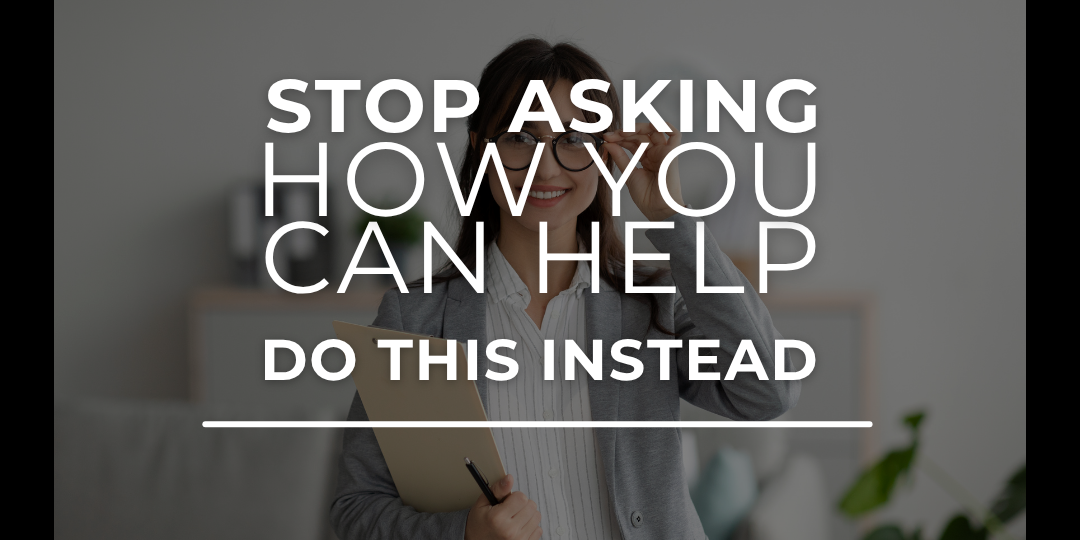
This morning, I was coaching an agent who was struggling to convert leads. She was offering to help. “Would you like me to introduce you to my preferred lenders so you could get started with the pre-approval process?” she asked. “Let me know if you need anything,” she said. “I’m here to answer any questions you might have.” And while it sounds nice, it was actually holding her back. Why? Because there’s a huge psychological difference between offering help and taking action to help.
Think about it: how often do we actually respond to, “Call me if you need anything”? Or “How can I help?” When a sales rep asks you that in a store, do you ever actually say yes? No. You politely say, “No thanks,” and move on. Our brains are wired to reject offers when there’s ambiguity or when it requires effort.
Open house visitors are a perfect example. They almost always decline offers for two reasons:
They don’t want to look like they don’t know what they don’t know. Asking for help can feel like admitting ignorance, and no one wants to feel dumb in front of an expert.
They don’t want to inconvenience you. They genuinely don’t want to be “that person” asking for extra time or attention.
So what happens when you say, “How can I help?”—or, “Let me know if you need anything”? They say “no thanks” not because they don’t need help, but because your offer gives them an easy way to politely decline.
Contrast that with someone who says, “I’m going to help you by doing X,” or “I’ll take care of Y for you.” Suddenly, there’s no decision to make. No mental effort to accept. No space to say, “Nah, I’ll handle it myself.” Action-oriented language removes friction and uncertainty, making you not just helpful, but indispensable.
Next time you catch yourself saying, “How can I help?” try this instead:
“I’m going to help by sending you a list of options tomorrow.”
“I’ll handle setting up that showing for you.”
“Here’s the first step—I’ll walk you through it.”
Words are more than words—they set expectations, build trust, and move people to action. Stop offering. Start doing.
Because here’s the truth: the world doesn’t need more offers. It needs more helpers. The ones who actually help.