The Sensory-Friendly Realtor: How to Stop Your Office from Draining Your Battery
In the real estate world, we talk endlessly about “curb appeal”—fresh mulch, neutral paint, the perfect front door moment. Yet we rarely stop to consider the sensory appeal of the space we spend the majority of our lives in: our own work environment.
For a neurodivergent woman in midlife, a “bad sensory day” isn’t just inconvenient. It’s expensive. If your office has buzzing fluorescent lights, a chair that never quite feels right, or a phone that insists on chiming every 90 seconds, your brain is quietly working overtime just to tolerate the environment. It’s not a small tax—it’s a massive one. You’re spending 80 percent of your energy filtering, regulating, and coping.
That leaves about 20 percent for your clients, your negotiations, your problem-solving. By 2 PM, it’s no surprise you feel like you’ve run a marathon without ever leaving your desk. This isn’t a motivation issue. It’s an environment issue.
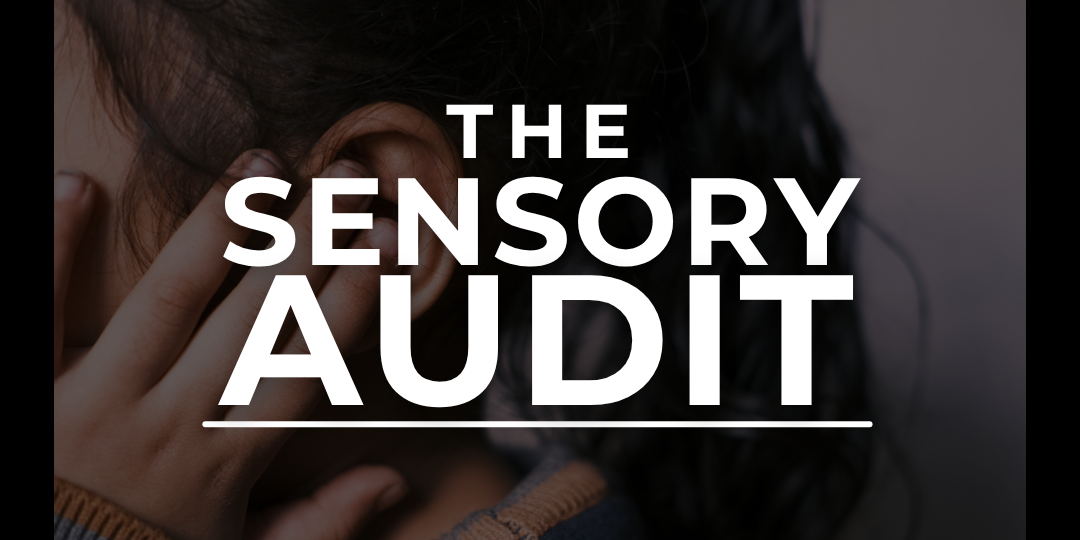
The Real Estate “Sensory Audit”
If you want to scale your business without burning out, it starts with getting honest about the two places you do the bulk of your work: your desk and your car. Think of this as your own version of staging—not for buyers, but for your nervous system.
1. The Visual Environment
Lighting: Fluorescent overhead lighting is harsh, flickering, and incredibly taxing for many neurodivergent brains. Swapping in warm floor lamps or softer ambient lighting can immediately change how your body feels in the space. If you’re tied to a corporate office setup, FL-41 tinted glasses can take the edge off that constant blue-light strain.
Visual Clutter: If it’s in your line of sight, your brain is engaging with it—whether you want it to or not. Open shelving filled with papers, folders, and “I’ll get to that later” piles becomes a silent to-do list that never shuts off. Closed storage is your friend here. Bins with lids, drawers, anything that allows your eyes to rest instead of scan.
2. The Auditory Environment
Notification Hygiene: Every ping, ding, and chime pulls your attention in a new direction. Most of them are not urgent, yet your nervous system doesn’t know the difference. Turning off non-essential notifications isn’t about being unavailable—it’s about being intentional. Let your phone work for you, not against you. Vibrate, focus modes, and priority contacts create a filter so only what matters gets through.
The Transition Track: Real estate is a high-stimulation profession. Showings, negotiations, last-minute surprises—it adds up quickly. Before you shift into your next role (agent to parent, partner, or human who just needs a minute), give yourself a buffer. Five minutes of silence in your car. No music, no calls, no processing. Just a pause. That reset can be the difference between carrying the day home with you or actually leaving it where it belongs.
3. The Tactile Environment (The “Itch” Factor)
Professionalism vs. Comfort: Midlife often brings a heightened awareness of how things feel—fabrics, seams, temperature, all of it. If your “power outfit” looks great but feels unbearable, it’s working against you. Discomfort is distracting. It limits your presence, your patience, your ability to stay engaged.
There is a middle ground here—what I like to call “Soft Professionalism.” Stretch fabrics, breathable layers, tagless pieces, shoes you can actually stand in. When your body feels supported, your mind follows. When your clothing isn’t demanding your attention, you’re free to give that attention to your clients.
Why This Is a Business Strategy
Lowering your sensory load isn’t indulgent. It’s efficient.
When you reduce unnecessary input, you create space for Executive Function—the part of your brain responsible for planning, decision-making, follow-through, and emotional regulation. In other words, the exact skills your business depends on. Many agents label themselves as procrastinators when, in reality, their brain is pushing back against an environment that feels overwhelming. It’s not avoidance for the sake of it. It’s self-protection. When you create a low-sensory workspace, everything shifts. Tasks feel more approachable. Conversations feel less draining. Your capacity expands—not because you forced it to, but because you finally supported it.
This is about protecting your focus, yes. It’s also about protecting your longevity in this business.
You don’t need a complete overhaul to start. Pick one area—lighting, notifications, your car, your wardrobe—and make a small adjustment this week. Notice what changes. Pay attention to your energy at 2 PM. That’s your data.
Your environment is either working for you or it’s quietly working against you.
The good news is, you get to decide which one it is.